
In Module 3, Designing for Inclusion and Engagement, we explored how online learning can better support all students by anticipating differences from the start. Instead of reacting to problems, inclusive design means building flexibility and support into the course itself. In this reflection, I’ll talk about what I’ve learned about Universal Design for Learning (UDL), inclusive design, synchronous and asynchronous learning, and interaction and presence and I’ll address a common myth about accessibility.
UDL: Planning for Learner Differences
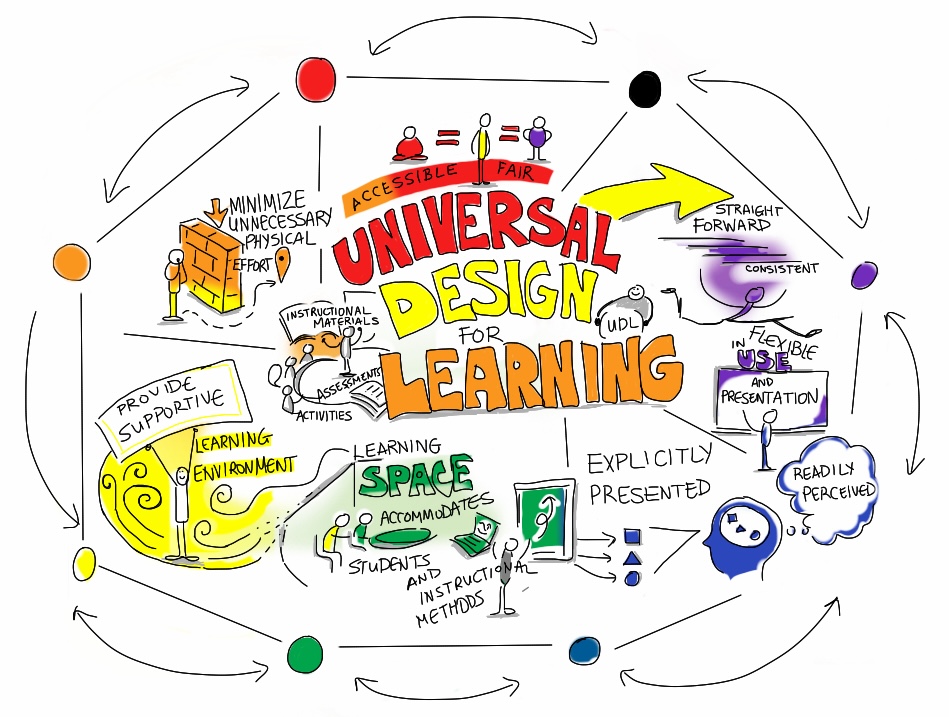
Universal Design for Learning (UDL) is based on the idea that no two learners are the same. According to CAST (2018), UDL encourages instructors to offer multiple ways to engage with material, represent content, and let students show what they’ve learned. Research shows UDL can improve participation and learning outcomes when used effectively (Al-Azawei, Serenelli, & Lundqvist, 2016).
As a student, I’ve felt the difference when UDL is applied. In one of my courses, the instructor started using narrated videos, transcripts, and visual diagrams alongside written slides. It made the content much easier to follow and helped me focus more on understanding rather than just keeping up. These kinds of changes didn’t make the course easier they made it more accessible.
Inclusive Design: Feeling Represented and Supported
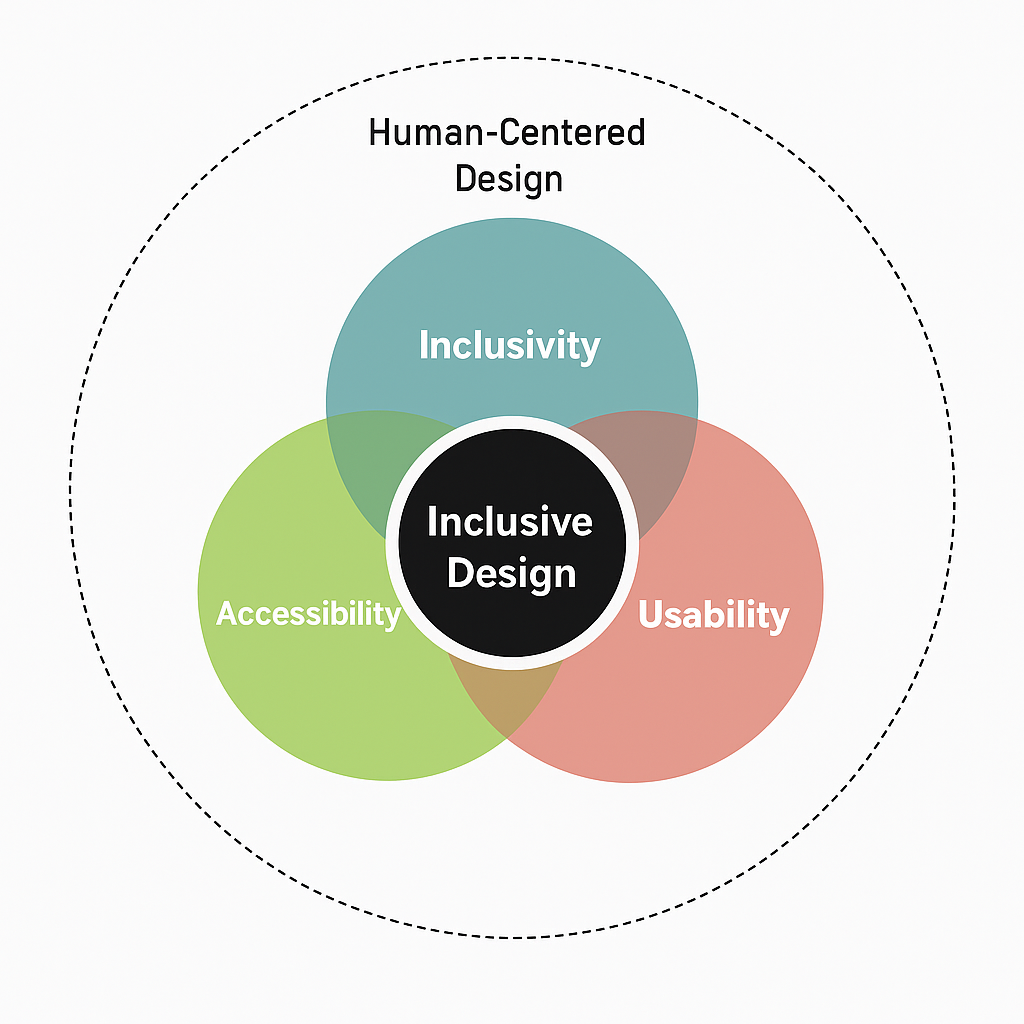
Inclusive learning design means more than just checking accessibility boxes. It’s about making sure students feel like they belong and can succeed no matter their background. Gorski (2019) argues that real equity requires noticing who is included and who isn’t. This includes using examples from different cultures, making room for different perspectives, and designing activities that don’t favor just one type of learner.
One thing I appreciated in a recent course was when the instructor let us choose topics that related to our own lives. It gave me a chance to bring my own experiences into my work, which made learning more meaningful. I also noticed how scaffolding like giving us templates at the start of the term helped me build confidence. When those supports were slowly removed, I felt more capable and independent. This fits with what Module 3 said about “fading scaffolds” over time (designingforlearning.ca, 2025).
Synchronous and Asynchronous: Getting the Best of Both
Module 3 explained the strengths of both synchronous (live) and asynchronous (self-paced) learning. Live classes are great for asking questions and connecting with others. Asynchronous content lets us work when it fits our schedule, which is important if we’re juggling jobs, time zones, or other responsibilities.
From my experience, the best courses combine both. In one class, we had short pre-recorded lectures and then weekly check-ins on Zoom. I could watch the material at my own pace, then come to the live session with questions. It made me feel more prepared and less anxious about keeping up.
This also ties into motivation. Self-determination theory (Ryan & Deci, 2000) says students are more motivated when they feel autonomy, competence, and connection. Having flexible options and real interaction helped me feel all three.
Effective online learning is clear, well-organized, and responsive, with goals, materials, and assessments that align and UDL helps support this by offering multiple ways to access and demonstrate learning.
Interaction and Presence: Staying Connected Online
The Community of Inquiry framework (Garrison, Anderson, & Archer, 2000) highlights three kinds of presence in online learning: social presence (feeling connected to others), cognitive presence (deep thinking), and teaching presence (instructor support and guidance).
I’ve felt more engaged in courses where the instructor posts weekly updates, responds to discussion threads, and gives quick feedback. Even small things like using students’ names or asking follow-up questions helped me feel noticed and valued. When instructors are active and visible, it makes a big difference.
I also learned how important peer interaction is. In classes where we had to reply to each other’s posts or work in breakout rooms, I felt more involved. It reminded me that I’m part of a learning community, not just working alone.
Conclusion
What I’ve learned in Module 3 is that good online learning doesn’t treat students as one-size-fits-all. Using UDL, designing for inclusion, balancing live and flexible learning, and creating strong interaction all help make learning more fair and more engaging. When instructors plan for differences and build community, students like me feel more capable and connected.
References
- Al-Azawei, A., Serenelli, F., & Lundqvist, K. (2016). Universal Design for Learning (UDL): A content analysis of peer-reviewed journal papers from 2012 to 2015. Journal of the Scholarship of Teaching and Learning, 16(3), 39–56.
- CAST. (2018). Universal Design for Learning Guidelines version 2.2. Center for Applied Special Technology (CAST). https://udlguidelines.cast.org
- Garrison, D. R., Anderson, T., & Archer, W. (2000). Critical inquiry in a text-based environment: Computer conferencing in higher education. The Internet and Higher Education, 2(2–3), 87–105.
- Gorski, P. C. (2019). Reaching and teaching students in poverty: Strategies for erasing the opportunity gap (2nd ed.). Teachers College Press.
- Ryan, R. M., & Deci, E. L. (2000). Self-determination theory and the facilitation of intrinsic motivation, social development, and well-being. American Psychologist, 55(1), 68–78.